
A packaging line rarely breaks down at a convenient time. An order’s due out, the shrink wrapper stops mid-cycle, and suddenly the choice is between missing a delivery date or finding another way to keep product moving while the machine gets sorted. The good news is there’s a straightforward answer to this exact problem, and it doesn’t involve waiting around for a repair to finish before packaging can start again.
What happens when a shrink wrap machine needs repairing?
Not every fault takes the same amount of time to fix. A worn roller or a faulty sealing wire (the kind of issue covered in common issues and solutions with shrink wrap machines) can often be sorted within a day or two once an engineer’s diagnosed the problem. A more serious electrical fault or a major mechanical failure takes longer, particularly if a part needs sourcing rather than being held in stock.
Shrink wrapping machine repair timelines depend heavily on what’s wrong, which is exactly why it’s worth having a plan for the gap rather than assuming a quick turnaround. Uwrap’s engineers give a realistic estimate once they’ve seen the machine rather than a guess over the phone, and the repair service is built around three broad categories of work:
- Electrical repairs deal with wiring and control faults that stop a machine responding properly
- Mechanical repairs cover physical parts that wear with use, things like rollers, conveyors and sealing components
- Periodic maintenance catches that wear early, before it turns into a breakdown a few months down the line
That distinction matters when working out how long a hire machine will be needed for. An electrical fault diagnosed quickly might mean a same-day fix, while a mechanical repair involving a part that needs sourcing could run to a week or more. Either way, having a hire machine in place from the start means the timeline for the repair itself stops being the thing dictating whether production continues.

Can you hire a shrink wrap machine while yours is being repaired?
Yes, and this is exactly the situation shrink wrap machine hire is built for. Rather than a production line sitting idle for however long a repair takes, a hire machine steps in to cover the gap, then goes back once the original unit is up and running again. Hire plans start from as little as £10 a day, which for most businesses is considerably cheaper than the cost of a stalled production line or a missed delivery.
The two services work well together rather than as separate transactions. Uwrap’s engineering team can coordinate a hire machine’s delivery to line up with when the fault gets diagnosed, so there’s minimal gap between the original machine going offline and a replacement being ready to use. The full sequence, from that first phone call through to collection at the end of the hire period, is worth understanding before a machine breaks down rather than during the scramble that follows.
What does the shrink wrap machine hire process involve, step by step?
Arranging a hire machine at short notice is more straightforward than it might sound, and it usually follows the same sequence regardless of how urgent the situation is:
• A first conversation about what’s being packaged, current volumes and how long cover is likely to be needed for
• Uwrap specifying a machine suited to that job rather than sending out whatever happens to be free
• Delivery and setup, coordinated where possible around when the original machine goes in for repair
• Ongoing support for the duration of the hire, so any questions about running the machine get answered quickly rather than left to figure out alone
• Collection once the repaired or replacement machine is back in service, with no long-term commitment beyond the period needed
None of this requires a long-term contract or a lengthy sign-up process. The whole point of a hire arrangement is that it flexes around the repair timeline rather than the other way round, which is why the conversation about specification happens before anything gets delivered rather than after.

Which industries need a shrink wrap machine hire most?
Some sectors have far less flexibility around a packaging breakdown than others, and it’s worth understanding why before assuming a short delay is manageable.
Stock in food and drink often has a limited shelf life, which means a stalled line doesn’t just delay shipping, it risks the product itself. A similar pressure runs through bottling, where a shrink wrap machine is usually one step in a continuous line rather than an isolated process, so a fault anywhere in that sequence can hold up everything behind it.
Contractual delivery schedules tend to be tighter in engineering and automotive, where a missed shipment carries a direct financial penalty rather than just a delay. Load size adds another layer for industrial and construction packaging, which often involves heavier or bulkier products, narrowing down which hire machine will cope with the job and making it even more important to specify the right unit rather than the first one available.
What type of shrink wrap hire machine suits an emergency gap?
The right hire machine depends on what’s being packed and how the original setup worked, not just on grabbing whatever’s available first.
Sleeve sealers and wrapping machines
For lighter, lower-volume packaging runs, a sleeve sealer is often the quickest fit, since these units are compact and straightforward to set up on short notice. A semi auto or manual sleeve sealer works well where an operator is already used to manually collating products before the machine takes over, which keeps the transition from the original machine as seamless as possible.
L sealers and combination machines
Where the original setup involved a full L sealing machine, matching that format during the hire period avoids having to rework packaging dimensions or film specifications on the fly. For sites running a high mix of pack sizes, the Titan combines an L sealer and shrink tunnel in one unit, covering a wider range without needing a second machine for different product types.
Chamber machines and pallet wrappers
Businesses using a chamber machine for vacuum-style sealing, or a pallet wrapper for bulk loads heading out to distribution, need a hire unit rated for the same throughput, not just the same general category of machine. Getting this match right during the initial conversation about hire needs avoids a second call later to swap for something better suited to the volume going through it.

Does hiring cost more than just waiting for the repair?
Working out the real cost of a stalled line usually changes the answer to this question. A production line standing idle doesn’t just lose the hours it’s stopped for. Missed delivery windows, contractual penalties for late shipments and the knock-on disruption to everything scheduled after the delay all add up quickly, often far beyond what a short hire period costs.
Against that, a hire machine priced from £10 a day looks like the cheaper option in almost every case where downtime would otherwise run beyond a day or two. Pallet wrap machine hire and sealing machine hire both work on the same principle: a small, predictable daily cost against an unpredictable and potentially much larger one from lost production.
What if the repair turns into something bigger than expected?
Occasionally an engineer opens up a machine expecting a straightforward fix and finds something more extensive, wear across multiple components, or a fault that keeps recurring despite previous repairs. In these cases, it’s worth weighing up revamps and refurbishment against a full repair, since refurbishing an older machine can work out around 40% cheaper than buying new while still resolving the underlying issue properly.
A hire machine remains useful either way, covering production regardless of whether the original unit comes back from a standard repair or a fuller refurbishment. There’s no need to decide on the long-term fix before arranging short-term cover.
How do you avoid emergency shrink wrap machine repairs?
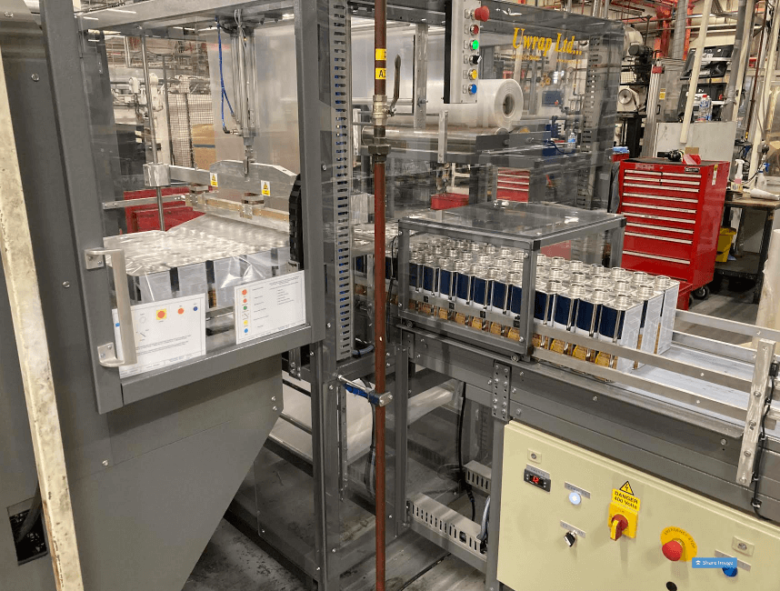
Not every breakdown is preventable, but a good number of the faults that lead to an emergency hire are the kind that show up gradually before they cause a full stoppage. Worn rollers, a stubborn sealing wire or a noticeable drop in how quickly a machine completes its cycles are all signs worth acting on early, since regular servicing catches small issues before they turn into costly emergency repairs rather than waiting for a complete failure.
For pallet wrapping specifically, clearing film residue and debris from rollers takes only a few minutes but meaningfully reduces the chance of an unplanned breakdown later, and it’s one of several checks an operator can carry out without specialist tools or training. None of this removes the value of having a hire option available, but it does mean fewer occasions where it’s needed.
The choice between hiring a shrink wrap machine and sitting through downtime becomes fairly clear once the real cost of a stopped line is on the table. A repair, however long it takes, doesn’t have to mean packaging grinds to a halt in the meantime, and matching the right hire machine to the job keeps output close to normal until the original unit is back.
If your shrink wrap machine has broken down or is due in for a service, get in touch with our team today on 01253 300 400 or arrange a hire machine to keep production running without the wait.

